
No-Cost Clubs
Not every club needs national dues, expensive kits, or big sponsorships. Some of the most impactful student organizations are the ones you can start with zero dollars, powered only by creativity, teamwork, and passion. Below you’ll find step-by-step instructions and resources for launching no-cost clubs that thrive in any school environment. These clubs focus on service, creativity, and leadership, and they’re especially designed for underserved schools where budgets are tight.
Universal Steps for No-Cost Clubs
-
Pick a Theme That Fits Your School
-
Think: writing, coding, environment, tutoring, mental health, culture, volunteering.
-
Make sure it’s broad enough for people to get involved, but focused enough to have an identity.
-
-
Find a Teacher Sponsor
-
Doesn’t have to be an expert—just someone supportive who can help with logistics.
-
-
Recruit Members
-
Create a quick sign-up sheet or Google Form.
-
Announce during homeroom, put flyers on bulletin boards, or ask teachers to share with students.
-
-
Elect Officers
-
Even if small, having a President, VP, and Secretary/Treasurer gives structure.
-
-
Plan First 3 Activities/Projects
-
The key to sustaining a no-cost club is low-barrier, high-energy activities.
-
Have these ready so people are excited from the start.
-
-
Use Free Resources
-
Leverage online platforms, community donations, and school spaces.
-
Creative Writing Club
Why: Builds creativity, self-expression, and can lead to school publications.
Steps:
-
Find an English teacher to sponsor.
-
Decide if you’ll meet weekly or biweekly.
-
Plan activities: writing prompts, poetry slams, group storytelling.
-
End the semester with a showcase or publish a zine using free tools (like Canva + PDF).
Resources:
-
NaNoWriMo Young Writers Program (free writing curriculum)
-
Teen Ink (publishing platform for student work)
-
Canva (design free zines/posters)


Environmental Club
Why: Inspires sustainability, advocacy, and hands-on service projects.
Steps:
-
Ask a science teacher or social studies teacher to sponsor.
-
Recruit members interested in climate, recycling, and advocacy.
-
First projects: campus cleanup, bottle-cap recycling drive, environmental awareness posters.
-
Grow into campaigns: composting at school, “green week,” partnerships with local parks.
Resources:
Coding Club
Why: Builds digital literacy and prepares students for tech careers, no paid software needed.
Steps:
-
Sponsor: computer science or math teacher.
-
Use free tools: Scratch (for beginners), Repl.it (for coding online), GitHub (for projects).
-
Plan activities: “Hour of Code,” mini hackathons, build simple websites.
-
Collaborate with robotics or STEM classes when possible.
Resources:

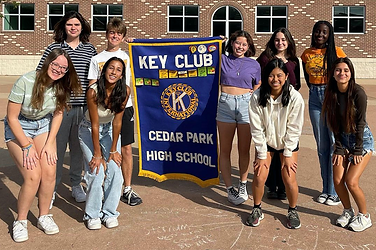
Service Club (Community Impact Club)
Why: Builds leadership, empathy, and resumes while improving your community.
Steps:
-
Ask a counselor or social studies teacher to sponsor.
-
Meet monthly to brainstorm projects.
-
Low-cost activities:
-
Partner with local food bank for drives
-
Collect old books for libraries
-
Host kindness campaigns at school
-
-
Track hours → can be used for service awards/honor societies.
Resources:
-
DoSomething.org (teen service campaigns)
-
VolunteerMatch.org (find local opportunities)
Mental Health & Wellness Club
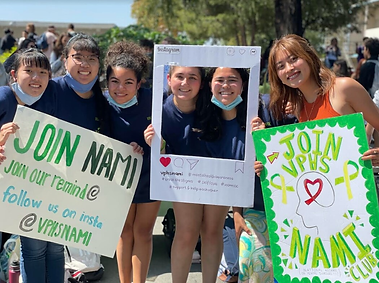
Why: Provides peer support, reduces stigma, and builds healthier school culture.
Steps:
-
Partner with a counselor or health teacher.
-
Start with awareness weeks, poster campaigns, mindfulness sessions.
-
Bring in guest speakers (local therapists, nonprofits) at no cost.
-
Collaborate with existing wellness initiatives at your school.
Resources:
-
Active Minds (youth mental health programs)
-
Free mindfulness apps: Insight Timer, Headspace (student version)
Tips for Running No-Cost Clubs
-
Leverage free tools: Canva for flyers, Google Docs for collaboration, free online curricula.
-
Seek in-kind donations: Ask local businesses for snacks, supplies, or meeting space.
-
Collaborate: Pair with other clubs to host joint events (e.g., Creative Writing + Service Club → write letters to hospital patients).
-
Celebrate progress: Post updates on school social media, bulletin boards, or local newspapers.